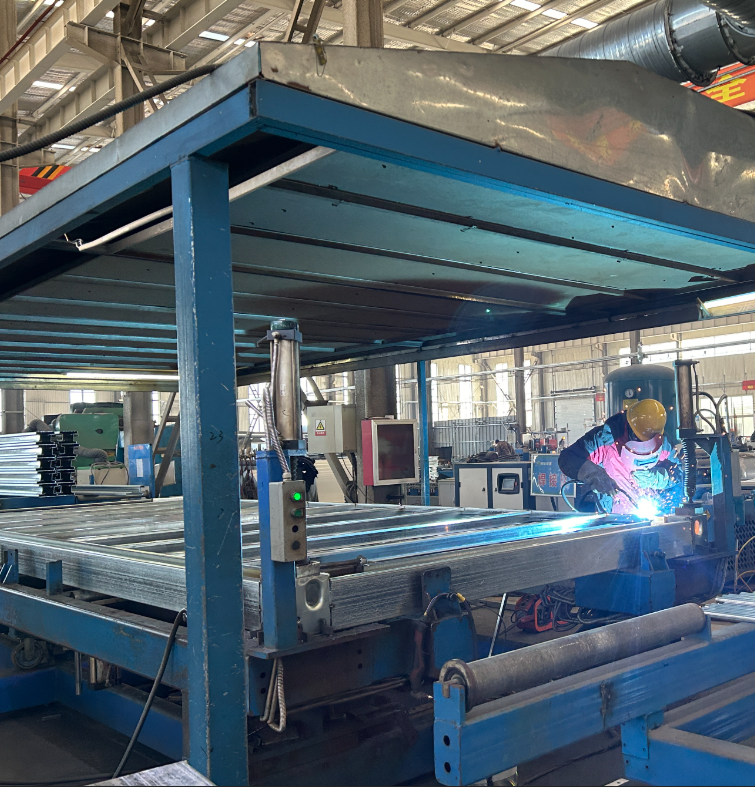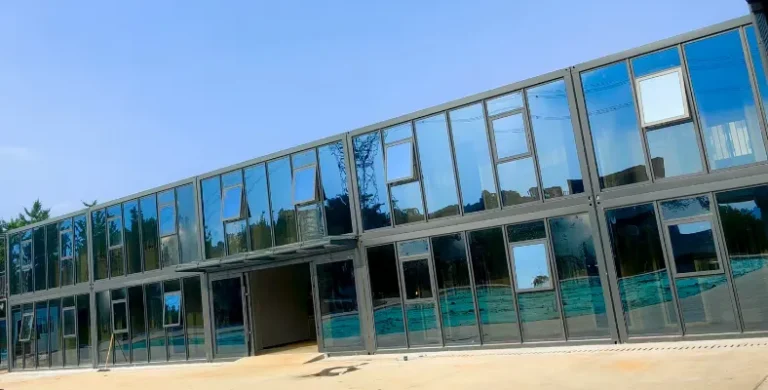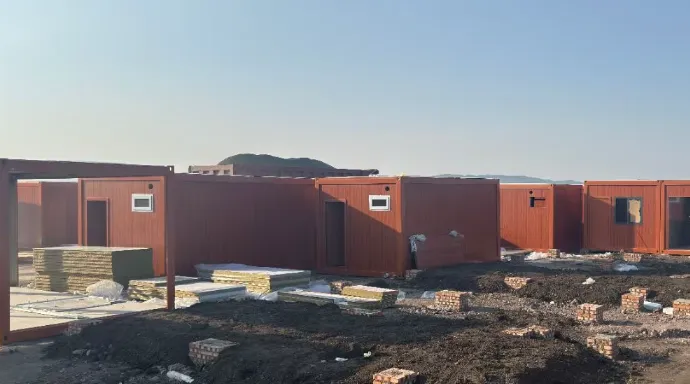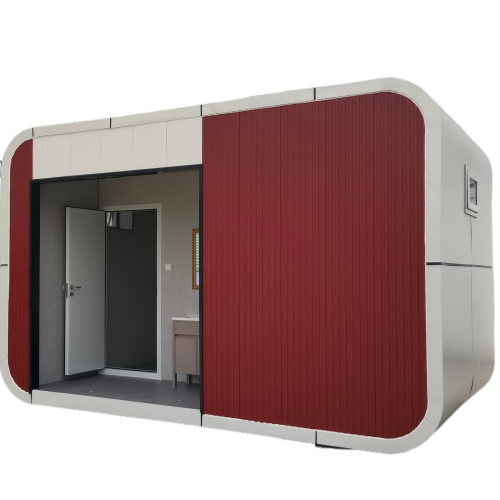
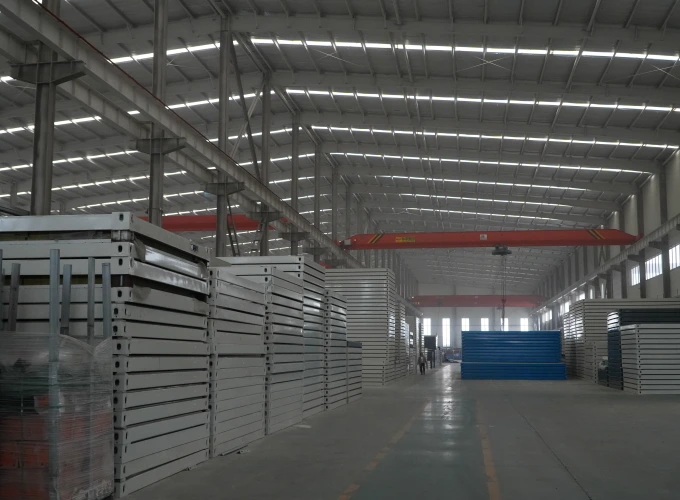
The Evolution and Global Landscape of Integrated Housing in China
The Evolution and Global Landscape of Integrated Housing in China
Integrated housing, also known as prefabricated or modular construction, has evolved in China from rudimentary beginnings to a sophisticated industry, now capitalizing on global trends toward green and low-carbon development. Below is a detailed overview presented in both tabular and expanded formats.
📌 Overview of Development History & International Context
| Time Period | Key Characteristics (China) | Representative Projects/Events | International Context at the Time |
| 1950s–1977 (Early Stage) | Industrialized construction began under a planned economy; progress was slow and technology basic. | 1956: “Decision on Strengthening and Developing Construction Industry” | Concept of modular housing emerged in Europe and US (late 1950s). |
| 1978–2010 (Slow Development) | Policy encouragement began, but market and tech limitations slowed adoption. | Wooden, magnesium oxide, and cement panel temporary houses | Mature markets in EU, US, and Japan; strong rental sector and permanent use expansion. |
| 2011–Present (Rapid Growth) | Policy boost (e.g., 13th Five-Year Plan), tech upgrades (BIM, smart manufacturing), broader applications. | Color steel sandwich panel houses; modular projects (e.g., CIMC Iceland hotel built in 9 days) | Global demand for green buildings rises; China increases exports and engages in int’l standards. |
🏗️ Domestic Development Status & Features
Integrated housing in China has gained traction in numerous sectors, including:
- Construction site offices and dormitories
- Field operation bases for infrastructure and energy projects
- Temporary buildings for events and tourism
- Disaster relief housing and military uses
- Low-rise residential and commercial buildings
Key drivers in China include:
- Policy Support: National guidelines like the Building Industrialization Technology Guide and subsidies (e.g., ¥300/sqm for projects with prefab rates ≥60%).
- Market Growth: The global modular construction market reached ~¥974.7 billion RMB in 2022, with China accounting for a significant share. Expected CAGR of 6.99% through 2028.
- Leading Enterprises: Top companies include Broad Homes, Shanghai Construction, and China State Construction, though the market remains somewhat fragmented.
- Tech & Sustainability Innovations:
- Adoption of BIM, IoT, and big data
- Energy-saving materials, solar roofs, and high-efficiency facades
- Reduced waste (up to 50%) and carbon emissions (over 75% less)
🌎 International Context & China’s Role
Globally, integrated housing is gaining momentum, and China is increasingly influential:
- Growing International Demand:
- Green building initiatives are now national strategies in many countries. For example, the EU is directing significant funds toward sustainable construction.
- China’s Global Expansion:
- Exports and Technology Transfer: Competitive pricing and rapid deployment (e.g., CIMC’s 9-day hotel construction in Iceland) make Chinese products attractive, especially in Belt and Road countries.
- Standardization and Certification: Chinese manufacturers are increasingly obtaining international certifications (e.g., CE, EN1090) and participating in cross-border standard-setting.
- Localized Operations: Companies are establishing overseas production bases (e.g., in Malaysia) to increase market responsiveness and avoid trade barriers.
- Opportunities and Challenges:
- Opportunities:
- Global green transition policies
- Technological upgrading (e.g., AI, 3D printing)
- Favorable domestic and international policy support
- Challenges:
- Competition from established international firms
- Trade barriers and differing regulatory standards
- Building international brand recognition and trust
🔮 Future Outlook
The future of integrated housing both in China and globally appears promising:
- deeper technological integration with AI and 3D printing
- stronger emphasis on zero-carbon buildings and circular design
- broader applications including high-end custom residences and permanent structures
- continued globalization supported by local production strategies
📘 Key Terms:
- Integrated Housing (集成房屋): Prefabricated structures assembled on-site.
- BIM: Building Information Modeling – digital representation of building processes.
- Modular Construction (模块化建筑): Volumetric units produced off-site and assembled on location.
This overview summarizes the historical trajectory and current dynamics of integrated housing in China against the backdrop of a rapidly evolving global industry.